Why We Ask About Blood Pressure
At Westwinds Massage & Wellness, your safety is always our priority. Many people are surprised to learn that massage therapy — especially deep tissue massage — can affect the cardiovascular system.
Massage can influence:
- circulation
- blood pressure
- stress hormone levels
- heart rate
- nervous system activity
For many people, massage helps reduce stress and encourages relaxation, which may support healthier blood pressure over time. However, deep pressure or painful treatment can sometimes temporarily increase blood pressure during treatment, particularly if the body responds with tension, breath holding, or a stress response.
This is why we ask questions about:
- high blood pressure (hypertension)
- heart conditions
- medications
- dizziness or fainting
- recent health changes
The more we understand about your health, the safer and more effective we can tailor your treatment.
Why We May Check Your Blood Pressure
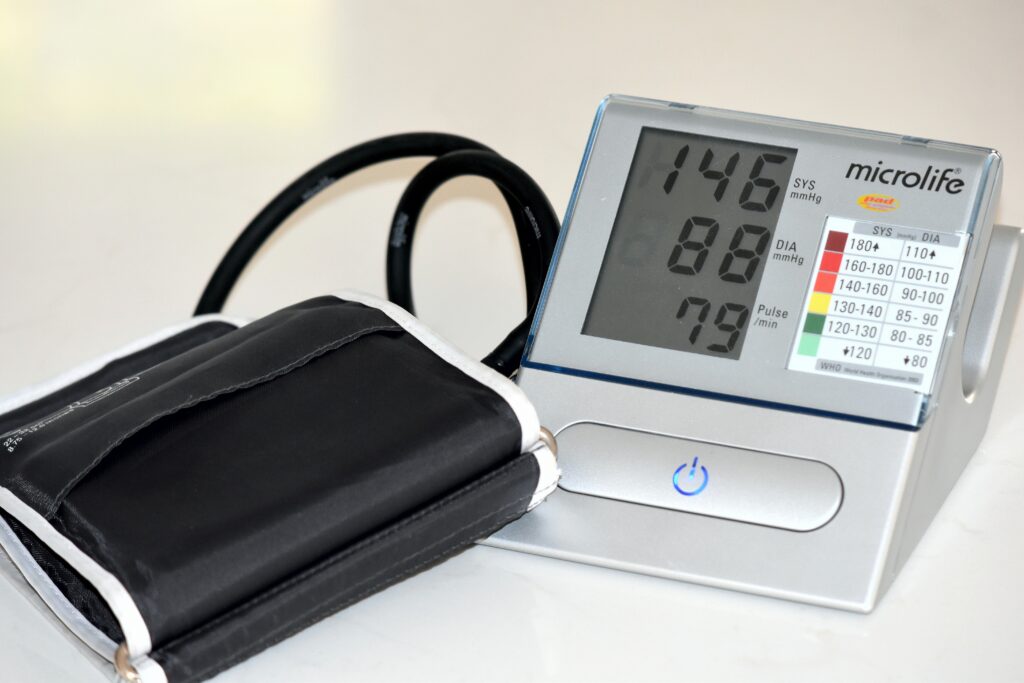
In some situations, your therapist may recommend checking your blood pressure before treatment.
This may happen if:
- you have a history of hypertension
- you are experiencing headaches, dizziness, or unusual symptoms
- you have recently started or changed blood pressure medication
- you appear flushed, short of breath, or unwell
- you have not had your blood pressure monitored recently
Checking blood pressure is not meant to alarm you. It simply helps us make informed clinical decisions and provide the safest care possible.
Why Your Massage Therapist May Use Less Pressure
Many clients assume deeper pressure is always better. In reality, overly aggressive massage can sometimes place unnecessary stress on the body.
If you have high blood pressure, heart disease, or certain medical conditions, very deep or painful massage may:
- temporarily increase blood pressure
- trigger a stress response
- cause dizziness or lightheadedness
- create strain on the cardiovascular system
- increase discomfort rather than relaxation
For this reason, your therapist may choose to:
- reduce pressure intensity
- work more gradually
- avoid painful techniques
- slow the pace of treatment
- encourage relaxed breathing
- allow extra time when changing positions
This does not mean the treatment is less effective. Often, a calmer nervous system allows the body to respond more positively to treatment.
Important Things To Tell Your Therapist
Please keep your therapist informed if you:
- have high blood pressure
- take blood pressure or heart medications
- experience dizziness, fainting, headaches, or chest discomfort
- have had a stroke, heart attack, or cardiovascular condition
- recently changed medications
- are pregnant
- have diabetes or kidney disease
- notice changes in your health between appointments
Even health conditions that seem unrelated can affect how your body responds to massage.
Symptoms You Should Report Immediately
Please tell your therapist right away if you experience:
- chest pain or pressure
- shortness of breath
- dizziness or faintness
- severe headache
- nausea
- visual disturbances
- unusual weakness
- numbness or tingling
- feeling suddenly unwell
If needed, treatment may be modified, paused, or stopped for your safety.
Massage Therapy & High Blood Pressure
Many people with controlled hypertension can safely receive massage therapy with appropriate modifications. The key is communication. Our goal is not simply to apply pressure — it is to provide safe, effective treatment that supports your overall health and well-being.
If you have questions about massage therapy, blood pressure, or whether treatment is appropriate for you, please speak with your therapist before your session. We are happy to help guide you toward the safest and most effective treatment plan for your individual needs.