
Westwinds Massage & Wellness is your local NE Calgary destination for headache treatment. We specialize in identifying the muscular, joint, TMJ, posture, and stress-related contributors to headaches and migraines. Our therapists will then craft a treatment plan that uses massage therapy and acupuncture to help reduce pain, frequency, and recurrence.
Do You Recognize These Symptoms?
Headaches can feel different for everyone. Do you deal with any of the following regularly?
- pain at the base of the skull
- pain behind one eye
- a tight band around the head
- a feeling of fullness or pressure in the forehead, eyes, or cheekbones
- tightness in the shoulders that radiates up the back of the neck & head
- headaches after computer work
- headaches after stressful days
- waking with headaches
- headaches with jaw pain
- headaches with neck stiffness
Why Do Headaches Happen?
If you’ve ever wondered, “Why do I keep getting headaches?” you’re not alone. Headaches are one of the most common health concerns, affecting people of all ages. While it might seem like the pain is coming from your head, the underlying cause is often much more complex.
Headaches can develop when muscles become tight, joints lose mobility, nerves become irritated, blood vessels dilate or constrict, or the nervous system becomes more sensitive to pain. In many cases, several of these factors occur together. For example, a stressful week at work may lead to jaw clenching, neck tension, poor sleep, and dehydration—all of which can contribute to a headache.
At Westwinds Massage & Wellness, we believe that understanding the underlying causes of your headaches is just as important as treating the pain itself. Rather than focusing only on symptom relief, we look for the factors that may be triggering or contributing to your headaches. By addressing these underlying issues, our goal is to reduce both the intensity and the frequency of future headaches.
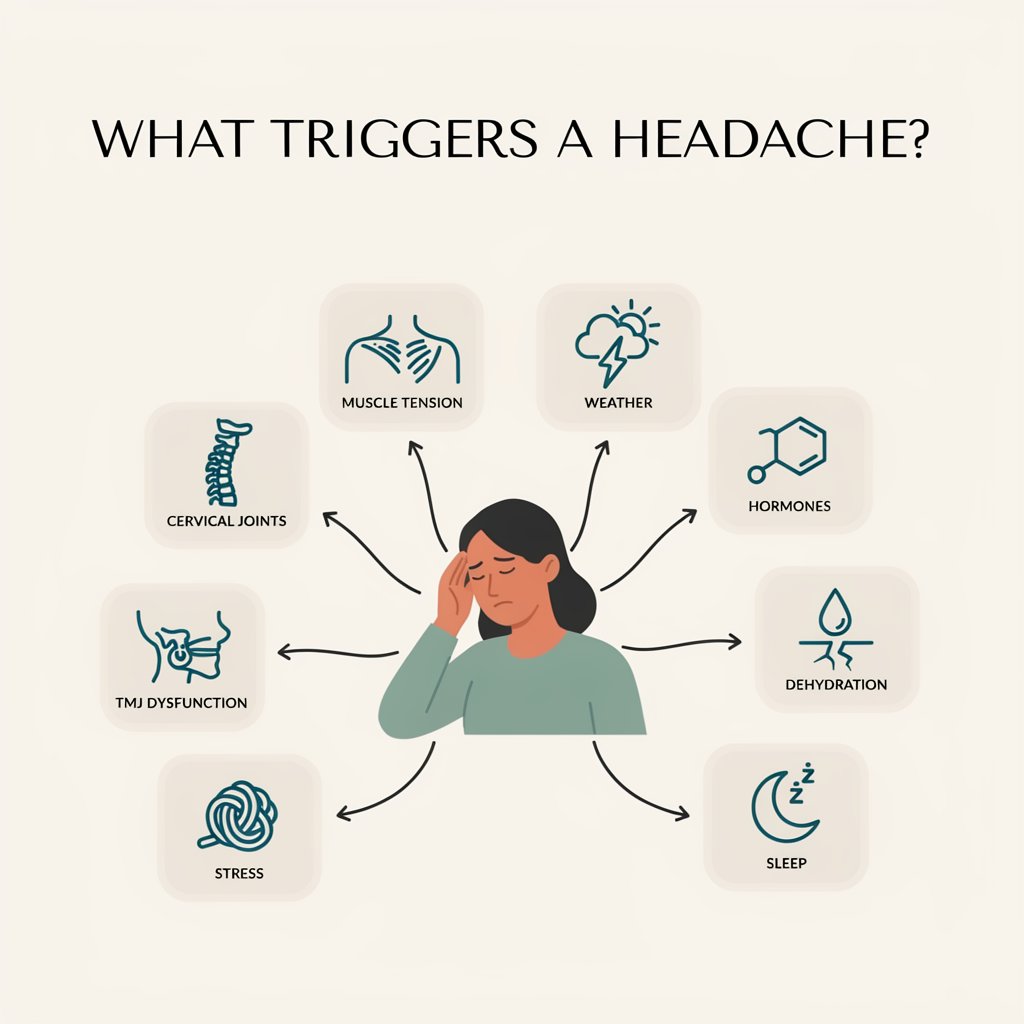
Some of the most common contributors include:
Muscle Tension
Tight muscles in the neck, shoulders, scalp, and jaw can refer pain into the head. Trigger points in muscles such as the upper trapezius, sternocleidomastoid, temporalis, and suboccipital muscles are common sources of tension headaches.
Neck Joint Dysfunction
The upper cervical spine contains joints and nerves that communicate closely with the brain’s pain pathways. Stiff or irritated joints in the neck can produce headaches that often begin at the base of the skull and travel toward the forehead or behind the eyes.
TMJ Disorders
Problems with the temporomandibular joints (TMJ) or the muscles used for chewing can create pain in the temples, around the ears, and across the face. Jaw clenching and teeth grinding—especially during sleep—are common contributors to chronic headaches.
Stress and the Nervous System
Stress doesn’t just affect your mood—it changes how your body functions. Chronic stress increases muscle tension, disrupts sleep, encourages jaw clenching, and can make your nervous system more sensitive to pain. Over time, even minor physical tension can begin triggering headaches.
Poor Posture
Hours spent at a computer, looking down at a phone, or driving can place continuous strain on the neck and shoulders. This “forward head posture” increases the workload on the muscles that support your head and is a frequent contributor to tension and cervicogenic headaches.
Sleep Problems
Poor-quality sleep, inconsistent sleep schedules, and sleep disorders can all increase the likelihood of headaches. Many people also clench their jaw or grind their teeth while sleeping, creating additional strain on the muscles of the head and neck.
Dehydration and Nutrition
Not drinking enough water, skipping meals, excessive caffeine, or consuming alcohol can all contribute to headaches in susceptible individuals. Certain foods may also trigger migraines in some people.
Hormonal Changes
Fluctuations in estrogen levels can influence headache frequency, particularly during menstruation, pregnancy, perimenopause, and menopause. Hormonal changes are one reason why migraines are more common in women than in men.
Weather Changes
Many Calgarians notice headaches when the weather changes rapidly. Sudden shifts in barometric pressure, temperature, humidity, or Chinook conditions may trigger headaches or migraines in people who are sensitive to environmental changes.
Migraine Disease
Migraines are more than “just bad headaches.” They are a complex neurological condition involving changes in how the brain processes pain and sensory information. Common triggers include stress, hormonal changes, certain foods, weather changes, disrupted sleep, and bright lights.
In many cases, headaches don’t have a single cause—they develop from a combination of physical, lifestyle, and environmental factors. Identifying your unique pattern is the first step toward creating an effective treatment plan. Whether your headaches stem from muscle tension, neck stiffness, TMJ dysfunction, stress, migraines, or several factors working together, our team is here to help you understand what’s happening and develop a plan to get you lasting relief.
What Type of Headache Do You Have?
Not all headaches are the same. Understanding the type of headache you’re experiencing is an important step toward finding the most effective treatment. While some headaches are caused by muscle tension or joint dysfunction, others are neurological or related to underlying medical conditions. It’s also possible to experience more than one type of headache at the same time.
At Westwinds Massage & Wellness, our assessment helps identify the factors that may be contributing to your headaches so we can recommend the most appropriate treatment or, when necessary, refer you to your physician for further evaluation.
Tension-Type Headaches
Tension headaches are the most common type of headache. They often develop gradually and are commonly associated with muscle tension, stress, poor posture, prolonged computer work, or fatigue.
Common symptoms include:
- A dull, aching pain on both sides of the head
- A feeling of pressure or a tight band around the forehead
- Tenderness in the scalp, neck, or shoulder muscles
- Mild to moderate pain that is not usually made worse by physical activity
Because tension headaches are frequently related to tight muscles and stress, many people benefit from massage therapy, acupuncture, posture correction, and relaxation techniques.
Cervicogenic Headaches
A cervicogenic headache originates from structures in the neck rather than the head itself. Problems involving the upper cervical joints, muscles, or nerves can refer pain into the head.
Common symptoms include:
- Pain that begins in the neck or at the base of the skull
- Headache on one side of the head
- Neck stiffness or reduced range of motion
- Pain that worsens with certain neck movements or prolonged postures
These headaches often respond well to treatment aimed at improving neck mobility, reducing muscle tension, and restoring normal movement patterns.
Migraine
Migraines are a neurological condition that causes recurring attacks of moderate to severe head pain. While many people associate migraines with intense headaches, they often involve a wide range of symptoms affecting the nervous system.
Common symptoms include:
- Moderate to severe throbbing or pulsating pain
- Pain on one or both sides of the head
- Sensitivity to light, sound, or smells
- Nausea or vomiting
- Visual disturbances (aura) before some migraines
- Symptoms lasting from several hours to several days
Common migraine triggers include stress, hormonal changes, weather changes, poor sleep, dehydration, certain foods, and skipped meals. Research suggests that both massage therapy and acupuncture may help reduce the frequency and severity of migraines for many individuals when used as part of an overall management plan.
TMJ-Related Headaches
The temporomandibular joints (TMJ) connect your jaw to your skull. When these joints or the surrounding muscles become irritated, they can refer pain into the temples, forehead, face, and ears.
Common symptoms include:
- Pain in the temples or around the ears
- Jaw clicking, popping, or locking
- Pain while chewing
- Morning headaches
- Teeth grinding or jaw clenching
- Tenderness in the jaw muscles
Because the jaw, neck, and head work closely together, treating TMJ dysfunction often helps reduce recurring headaches.
Cluster Headaches
Cluster headaches are much less common but are considered one of the most painful headache disorders. They occur in cycles or “clusters,” often happening at the same time each day for weeks or months.
Common symptoms include:
- Severe pain around one eye
- Red, watery eye
- Nasal congestion or a runny nose on the affected side
- Restlessness during attacks
- Episodes lasting 15 minutes to 3 hours
Cluster headaches require medical diagnosis and treatment. Massage therapy and acupuncture are not considered primary treatments, but some people may benefit from supportive care between headache cycles to reduce muscle tension and improve overall well-being.
Medication Overuse Headaches
Ironically, taking headache medication too frequently can sometimes lead to more headaches. This is known as a medication overuse headache or rebound headache.
Common symptoms include:
- Daily or almost daily headaches
- Headaches that return as medication wears off
- Temporary relief from pain medication followed by recurring pain
If medication overuse is suspected, it’s important to work with your physician or pharmacist to safely reduce or adjust medication use.
Sinus Headaches
Many headaches that people believe are “sinus headaches” are actually migraines or tension headaches. True sinus headaches are usually associated with a sinus infection.
Common symptoms include:
- Facial pain or pressure
- Nasal congestion
- Thick nasal discharge
- Fever or signs of infection
- Pain that may worsen when bending forward
If you experience recurrent “sinus headaches” without signs of infection, it’s worth discussing whether another type of headache may be the true cause.
How Massage Therapy May Help Headaches
Many headaches are associated with tension and dysfunction in the muscles of the neck, shoulders, jaw, and scalp. Massage therapy can help address these contributing factors.
Reduces Muscle Tension
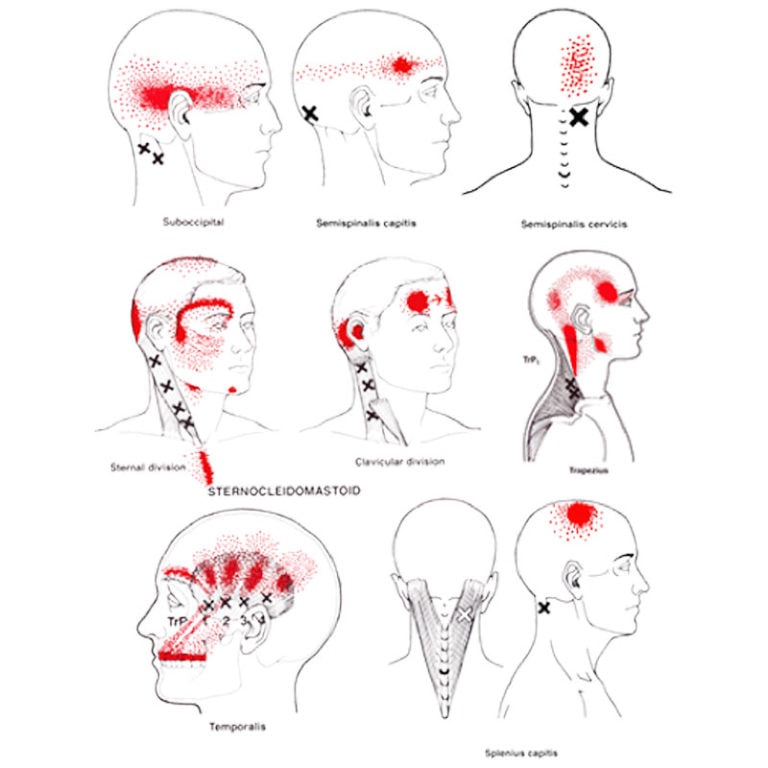
Muscles in the neck and shoulders often become tight due to stress, prolonged sitting, poor posture, and repetitive activities.
Massage therapy can help release tension in areas commonly associated with headaches, including:
- Upper trapezius muscles
- Neck muscles
- Jaw muscles
- Muscles at the base of the skull
Reducing muscle tension may decrease stress on sensitive nerves and tissues that contribute to headache pain.
Improves Circulation
Massage increases local blood flow, helping deliver oxygen and nutrients to tissues while supporting the removal of metabolic waste products.
Improved circulation can help reduce discomfort and promote tissue recovery.
Helps Calm the Nervous System
Stress is one of the most common headache triggers.
Massage therapy encourages relaxation by shifting the body away from a “fight-or-flight” state and toward a more restful state. Many people notice they feel calmer, less anxious, and more relaxed following treatment.
Supports Better Sleep
Poor sleep and headaches often go hand in hand.
Many clients report improved sleep quality after massage therapy, which may help reduce the frequency and severity of headaches over time.
How Acupuncture May Help Headaches and Migraines
Acupuncture has been used for centuries to treat headaches and is now supported by a growing body of modern research.
Many clinical studies suggest acupuncture can help reduce both the frequency and intensity of migraines and recurrent headaches.
Helps Regulate Pain Signals
Research suggests acupuncture influences the body’s natural pain-control systems.
Treatment may stimulate the release of:
- Endorphins
- Serotonin
- Other natural pain-relieving chemicals
These effects can help reduce pain sensitivity and improve the body’s ability to manage discomfort.
May Reduce Migraine Frequency
Many migraine sufferers seek acupuncture because it focuses on prevention as well as symptom management.
Regular acupuncture treatments may help:
- Reduce the number of migraine days each month
- Decrease headache intensity
- Reduce reliance on medication
- Improve overall quality of life
Supports Nervous System Balance
Migraine is increasingly understood as a condition involving nervous system hypersensitivity.
Acupuncture may help regulate nervous system activity, making the body less reactive to common triggers such as stress, poor sleep, and hormonal fluctuations.
Addresses the Whole Person
One of the unique aspects of acupuncture is its holistic approach.
In addition to treating headache symptoms, acupuncture treatment plans may also address related concerns such as:
- Stress
- Sleep disturbances
- Neck tension
- Digestive issues
- Hormonal changes
Our Approach to Headache Assessment
No two headaches are exactly alike. Although two people may both experience headaches, the underlying causes can be very different. That’s why every new patient begins with a comprehensive assessment designed to identify the factors that may be contributing to their symptoms.
Rather than focusing only on where your head hurts, we look at how your neck, jaw, muscles, posture, lifestyle, and daily habits may all be working together. Our goal is to understand why you’re getting headaches so we can create a treatment plan that’s tailored to you.
Step 1: Understanding Your Headaches
We’ll begin by asking detailed questions about your headaches, including:
- When they started
- How often they occur
- Where you feel the pain
- How long they last
- What the pain feels like (aching, throbbing, pressure, stabbing, etc.)
- What seems to trigger them
- What makes them better or worse
- Previous treatments you’ve tried
- Other symptoms such as nausea, dizziness, jaw pain, or sensitivity to light and sound
This information helps us identify patterns and determine which type—or combination of types—of headache you may be experiencing.
Step 2: Assessing the Neck and Jaw
Because many headaches originate from the muscles and joints of the head and neck, we’ll assess areas that commonly contribute to pain.
Depending on your symptoms, this may include evaluating:
- Neck movement and mobility
- Muscle tension and trigger points
- Jaw movement and TMJ function
- Posture and head position
- Areas of tenderness or muscle guarding
- The relationship between your neck, shoulders, and upper back
These findings help us determine whether muscle tension, joint stiffness, TMJ dysfunction, or postural strain may be contributing to your headaches.
Step 3: Identifying Contributing Factors
Headaches are rarely caused by a single issue. During your assessment, we’ll also discuss lifestyle and health factors that may be influencing your symptoms, such as:
- Stress and anxiety
- Sleep quality
- Workstation ergonomics
- Computer or phone use
- Physical activity
- Hydration and nutrition
- Hormonal changes
- Previous injuries or accidents
Looking at the bigger picture allows us to develop a treatment plan that addresses more than just the pain itself.
Step 4: Developing Your Treatment Plan
After your assessment, we’ll explain what we’ve found and discuss the treatment options that are most appropriate for your condition.
Depending on your needs, your treatment plan may include:
- Massage therapy to reduce muscle tension and improve mobility
- Acupuncture to help reduce pain, calm the nervous system, and decrease headache frequency
- TMJ treatment for jaw-related headaches
- Home stretches and exercises
- Postural and ergonomic advice
- Stress-management strategies
- Self-care recommendations to help prevent future headaches
We’ll also provide an estimate of how many treatments you may benefit from and explain what you can expect as your care progresses.
Working Together for Long-Term Relief
Our goal isn’t simply to help you feel better for a day or two—it’s to help you experience fewer headaches, less intense pain, and better quality of life over the long term.
By identifying the underlying factors contributing to your headaches and combining hands-on treatment with practical self-care strategies, we help many patients reduce both the frequency and severity of their headaches while giving them the tools to better manage their symptoms between visits.
A Team Approach to Headache Care
Some headaches respond best to a combination of therapies. For example, massage therapy may relieve tight muscles and restore movement in the neck and shoulders, while acupuncture can help reduce pain sensitivity, calm the nervous system, and decrease the frequency of recurring headaches. When appropriate, our practitioners work together to develop a coordinated treatment plan based on your individual needs.
When Should You Seek Immediate Medical Care?
While most headaches are not dangerous, some require urgent medical attention. Seek emergency medical care immediately if you experience:
- A sudden, severe headache unlike anything you’ve experienced before
- A headache following a significant head injury
- Headache accompanied by weakness, numbness, confusion, difficulty speaking, or vision changes
- Fever, stiff neck, rash, or persistent vomiting
- A new headache after age 50 that is severe or progressively worsening
- A headache that is becoming more frequent or changing dramatically in pattern
Finding the Right Treatment Starts with the Right Diagnosis
Many people assume they have “just headaches,” when in reality they may be experiencing tension headaches, migraines, cervicogenic headaches, TMJ-related headaches, or even a combination of several headache types. Identifying the underlying cause is essential to creating an effective treatment plan.
During your assessment at Westwinds Massage & Wellness, we’ll take the time to understand your symptoms, identify contributing factors such as neck dysfunction, muscle tension, posture, stress, or jaw problems, and determine whether massage therapy, acupuncture, or a combination of treatments may help. If your symptoms suggest a condition that requires medical investigation, we’ll recommend that you see your physician promptly.
Why Choose Westwinds Massage & Wellness?
At Westwinds Massage & Wellness, we take a focused approach to treating headaches. Rather than simply treating where it hurts, we look at how the muscles, joints, jaw, posture, stress, and nervous system may all be contributing to your symptoms. This comprehensive approach helps us create treatment plans that are tailored to your individual needs.
Our clinic specializes in head and neck conditions, including headaches, migraines, TMJ disorders, neck pain, and stress-related muscle tension. Whether your headaches are caused by tight muscles, poor posture, jaw dysfunction, or a combination of factors, our experienced team is here to help you find lasting relief.
One of the advantages of choosing Westwinds is access to both Registered Massage Therapy and Acupuncture in one convenient location. Depending on your condition, these therapies may be used individually or together to reduce pain, improve mobility, ease muscle tension, and support your body’s natural healing processes.
Conveniently located in Northeast Calgary, we offer online booking, flexible appointment times, and direct billing to most major insurance providers, making it easier to access the care you need. If headaches are affecting your work, sleep, or quality of life, we’d be happy to help you take the first step toward feeling better.
Ready to Find Relief from Headaches?
Don’t let headaches interfere with your work, family, or daily life. Book an appointment with one of our experienced therapists and let us help you identify the source of your headaches and develop a personalized treatment plan.