
If you suffer from frequent headaches or migraines, you’re not alone. Headaches are one of the most common health complaints worldwide, affecting millions of people every year. For some, headaches are an occasional inconvenience. For others, they can interfere with work, family life, sleep, exercise, and overall quality of life.
While medications can help manage symptoms, many people are looking for natural, drug-free ways to reduce headache frequency, decrease pain, and address the underlying factors contributing to their symptoms. Massage therapy and acupuncture are two evidence-informed treatment options that may help.
Understanding the different types of headaches and how these therapies work can help you make informed decisions about your care.
Understanding Common Types of Headaches
Not all headaches are the same. Identifying the type of headache you experience can help determine the most effective treatment approach.
Tension Headaches
Tension headaches are the most common type of headache. They are often described as a dull, aching pain or a feeling of pressure around the forehead, temples, or back of the head.
Common symptoms include:
- A tight or band-like sensation around the head
- Tenderness in the scalp, neck, or shoulders
- Mild to moderate pain
- Increased symptoms during periods of stress
Tension headaches are often associated with muscle tightness, poor posture, prolonged computer use, stress, and jaw clenching.
Migraines
Migraines are much more than “just a headache.” They are a complex neurological condition that can significantly affect daily life. Migraine symptoms may include:
- Moderate to severe head pain
- Throbbing or pulsating sensations
- Sensitivity to light, sound, or smell
- Nausea or vomiting
- Visual disturbances or aura
- Neck pain and stiffness
Many migraine sufferers also notice specific triggers such as stress, hormonal fluctuations, poor sleep, weather changes, dehydration, or certain foods.
Cervicogenic Headaches
These headaches originate from structures in the neck. People with cervicogenic headaches often experience:
- Pain that begins in the neck
- Reduced neck mobility
- Headaches that worsen with certain movements
- Pain that travels into the temples, forehead, or behind the eye
TMJ-Related Headaches
The jaw joint (temporomandibular joint or TMJ) and surrounding muscles can also contribute to headaches. Symptoms specific to TMJ-related headaches may include:
- Pain in the temples
- Jaw discomfort or clicking
- Facial tension
- Ear pain or pressure
- Morning headaches associated with teeth grinding or clenching
How Massage Therapy May Help Headaches
Many headaches are associated with tension and dysfunction in the muscles of the neck, shoulders, jaw, and scalp. Massage therapy can help address these contributing factors.
Reduces Muscle Tension
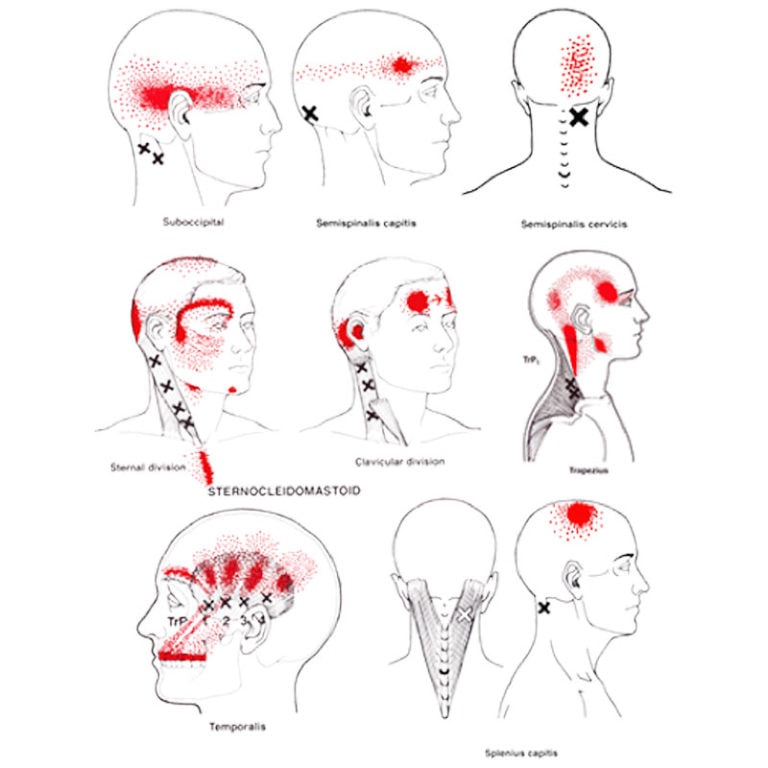
Muscles in the neck and shoulders often become tight due to stress, prolonged sitting, poor posture, and repetitive activities.
Massage therapy can help release tension in areas commonly associated with headaches, including:
- Upper trapezius muscles
- Neck muscles
- Jaw muscles
- Muscles at the base of the skull
Reducing muscle tension may decrease stress on sensitive nerves and tissues that contribute to headache pain.
Improves Circulation
Massage increases local blood flow, helping deliver oxygen and nutrients to tissues while supporting the removal of metabolic waste products.
Improved circulation can help reduce discomfort and promote tissue recovery.
Helps Calm the Nervous System
Stress is one of the most common headache triggers.
Massage therapy encourages relaxation by shifting the body away from a “fight-or-flight” state and toward a more restful state. Many people notice they feel calmer, less anxious, and more relaxed following treatment.
Supports Better Sleep
Poor sleep and headaches often go hand in hand.
Many clients report improved sleep quality after massage therapy, which may help reduce the frequency and severity of headaches over time.
How Acupuncture May Help Headaches and Migraines
Acupuncture has been used for centuries to treat headaches and is now supported by a growing body of modern research.
Many clinical studies suggest acupuncture can help reduce both the frequency and intensity of migraines and recurrent headaches.
Helps Regulate Pain Signals
Research suggests acupuncture influences the body’s natural pain-control systems.
Treatment may stimulate the release of:
- Endorphins
- Serotonin
- Other natural pain-relieving chemicals
These effects can help reduce pain sensitivity and improve the body’s ability to manage discomfort.
May Reduce Migraine Frequency
Many migraine sufferers seek acupuncture because it focuses on prevention as well as symptom management.
Regular acupuncture treatments may help:
- Reduce the number of migraine days each month
- Decrease headache intensity
- Reduce reliance on medication
- Improve overall quality of life
Supports Nervous System Balance
Migraine is increasingly understood as a condition involving nervous system hypersensitivity.
Acupuncture may help regulate nervous system activity, making the body less reactive to common triggers such as stress, poor sleep, and hormonal fluctuations.
Addresses the Whole Person
One of the unique aspects of acupuncture is its holistic approach.
In addition to treating headache symptoms, acupuncture treatment plans may also address related concerns such as:
- Stress
- Sleep disturbances
- Neck tension
- Digestive issues
- Hormonal changes
Why Massage Therapy and Acupuncture Work Well Together
Headaches and migraines often involve both physical and neurological factors.
Massage therapy and acupuncture complement one another because they address different aspects of the condition.
Massage therapy focuses on:
- Muscle tension
- Trigger points
- Joint mobility
- Postural strain
- Jaw dysfunction
Acupuncture focuses on:
- Nervous system regulation
- Pain processing
- Stress responses
- Migraine pathways
- Long-term prevention
When used together, these therapies can provide a more comprehensive approach than either treatment alone.
Many patients find that combining massage therapy and acupuncture helps them experience:
- Fewer headaches
- Reduced migraine frequency
- Less neck and shoulder tension
- Better sleep
- Improved stress management
- Better overall well-being
When Should You Seek Professional Help?
While most headaches are not serious, some symptoms require prompt medical evaluation.
Seek immediate medical attention if you experience:
- A sudden, severe headache unlike anything you’ve experienced before
- Headache following a head injury
- Changes in vision, speech, balance, or coordination
- Weakness or numbness
- Headaches accompanied by fever or confusion
For ongoing headaches or migraines, working with qualified healthcare professionals can help identify contributing factors and develop an effective treatment plan.
Finding a Natural Path to Relief
Living with frequent headaches or migraines can be frustrating, exhausting, and disruptive. The good news is that many people find significant relief through a combination of lifestyle changes, stress management, massage therapy, and acupuncture.
By addressing both the physical tension in the body and the nervous system factors that contribute to headaches, these therapies offer a natural, whole-body approach to care.
If headaches or migraines are affecting your quality of life, we would be happy to discuss how massage therapy and acupuncture may help you find lasting relief and get back to doing the things you enjoy.
Book Your Visit
Ready to start your journey to better health?
Book an appointment with us and see how much better you feel.