

Have you ever experienced jaw pain when chewing, clicking and popping sounds when opening your mouth, headaches that seem to start around your temples, or unexplained tension in your face and neck?
These symptoms may be related to a condition known as Temporomandibular Disorder (TMD), often referred to simply as “TMJ.”
TMD affects millions of people and can have a significant impact on daily comfort and quality of life. Fortunately, conservative treatments such as massage therapy and acupuncture can help reduce symptoms and improve jaw function.
What Is the TMJ?
The temporomandibular joints (TMJs) are the two joints that connect your lower jaw (mandible) to your skull. They are located just in front of each ear and are among the most complex joints in the body.
These joints allow you to:
- Open and close your mouth
- Chew food
- Speak
- Yawn
- Move your jaw from side to side
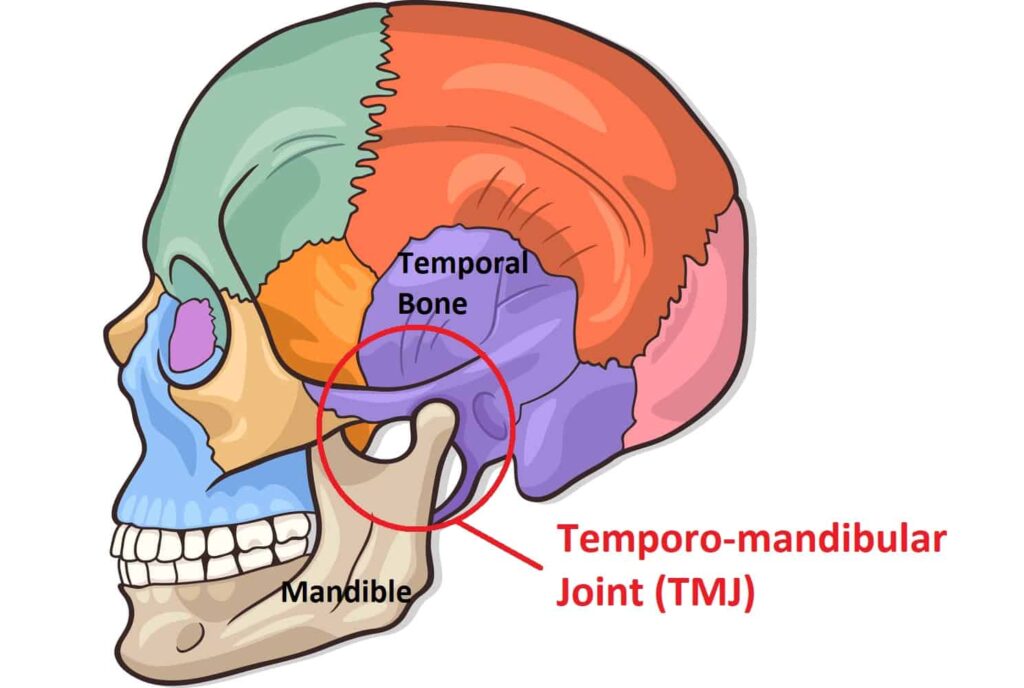
Unlike many joints that simply hinge, the TMJ both rotates and glides, allowing for smooth, coordinated movement. A small cartilage disc inside the joint acts as a cushion between the jawbone and skull.
Because the jaw is used throughout the day for speaking, eating, swallowing, and facial expressions, even small problems within the joint or surrounding muscles can lead to significant discomfort.
What Is Temporomandibular Disorder (TMD)?
Temporomandibular Disorder is a group of conditions affecting the jaw joints, the muscles that control jaw movement, and the surrounding tissues.
TMD is surprisingly common. Research suggests that approximately 5–12% of adults experience symptoms severe enough to seek treatment, with women being affected more frequently than men.
The condition can range from mild clicking or stiffness to persistent pain and significant limitations in jaw movement.
What Causes TMJ Dysfunction?
TMD rarely has a single cause. Instead, it often develops from a combination of factors that place excessive stress on the jaw joint and surrounding muscles.
Teeth Grinding and Clenching
One of the most common contributors is bruxism, or unconscious grinding and clenching of the teeth. This often occurs during sleep but can also happen during periods of stress or concentration.
Over time, the excessive force placed on the jaw muscles and joints can lead to inflammation, muscle fatigue, and jaw pain.
Stress and Muscle Tension
Emotional stress often causes people to tighten their jaw muscles without realizing it. Chronic tension in the jaw, temples, neck, and shoulders can contribute significantly to TMD symptoms.
Injury or Trauma
A direct blow to the jaw, whiplash injury, sports injury, or even prolonged dental procedures requiring the mouth to remain open can irritate the TMJ.
Joint Degeneration
Like other joints in the body, the TMJ can develop osteoarthritis or age-related wear and tear that affects smooth movement.
Poor Posture
Forward head posture, common among people who spend long hours at computers or looking at phones, can alter the mechanics of the jaw and increase tension throughout the neck and facial muscles.
Disc Displacement
The cushioning disc within the joint can become displaced, leading to clicking, popping, locking, or restricted jaw movement.
Common Symptoms of TMD
Symptoms vary widely from person to person and can sometimes mimic other conditions.
Common symptoms include:
- Jaw pain or tenderness
- Jaw clicking and popping, or grinding sounds
- Difficulty opening the mouth fully
- Jaw locking
- Pain while chewing
- Facial pain or pressure
- Headaches, particularly around the temples
- Ear pain or a sensation of fullness in the ears
- Ringing in the ears (tinnitus)
- Neck and shoulder tension
- Tooth sensitivity without a dental cause
Many people are surprised to learn that chronic headaches and neck pain may actually originate from dysfunction in the jaw.
Massage Therapy for TMJ disorder
The muscles involved in chewing are some of the strongest muscles in the body. When they become tight, overworked, or painful, they can create significant strain throughout the head, face, and neck.
Massage therapy can help by:
Reducing Muscle Tension
Treatment focuses on muscles such as the masseter, temporalis, sternocleidomastoid, and upper trapezius, which often become tight in individuals with TMD.
Improving Jaw Mobility
By reducing restrictions in surrounding tissues, massage may help provide jaw pain relief. It can also restore more comfortable jaw movement.
Decreasing Headaches
Many tension headaches are linked to trigger points in the jaw and neck muscles. Releasing these areas can reduce headache frequency and intensity.
Supporting Better Posture
Addressing neck and shoulder tension can improve overall alignment and reduce stress placed on the jaw.
Lowering Stress
Massage activates the body’s relaxation response, helping reduce one of the major contributors to jaw clenching and grinding.
Acupuncture for TMJ Pain
Acupuncture has been studied as a treatment for TMD and has shown promising results for reducing pain and improving jaw function.
Pain Reduction
Acupuncture stimulates the nervous system to release endorphins and other natural pain-relieving chemicals.
Relaxation of Tight Muscles
Treatment can help reduce excessive muscle activity in the jaw, face, neck, and shoulders.
Improved Circulation
Enhanced blood flow may support healing and reduce inflammation within affected tissues.
Reduced Stress Response
Many patients report feeling deeply relaxed after acupuncture treatment. This can be particularly beneficial for individuals whose symptoms are aggravated by stress-related clenching.
Better Overall Function
Research suggests acupuncture may help improve mouth opening, chewing comfort, and overall quality of life in people with TMD.
Why Massage and Acupuncture Work Well Together
TMD often involves both muscular tension and nervous system sensitivity. Combining massage therapy and acupuncture can address these factors simultaneously.
Massage helps release tight muscles and improve movement, while acupuncture helps regulate pain, calm the nervous system, and reduce inflammation.
Together, these therapies may provide more comprehensive relief than either approach alone.
When Should You Seek Treatment?
If you experience persistent jaw pain, clicking, headaches, facial tension, or difficulty opening your mouth, it is worth having your symptoms assessed.
Early intervention can help prevent symptoms from becoming chronic and may reduce the likelihood of developing secondary issues such as headaches, neck pain, or ongoing muscle tension.
Take the First Step Toward Relief
Jaw pain, headaches, facial tension, and neck discomfort do not have to become your normal.
Our clinic offers integrated massage therapy and acupuncture treatments designed to address the underlying causes of TMJ dysfunction and help you return to comfortable, pain-free movement.
Contact us today to book an assessment and learn whether massage therapy, acupuncture, or a combination of both may be right for you.
Book Your Visit
Ready to start your journey to better health?
Book an appointment with us and see how much better you feel.